
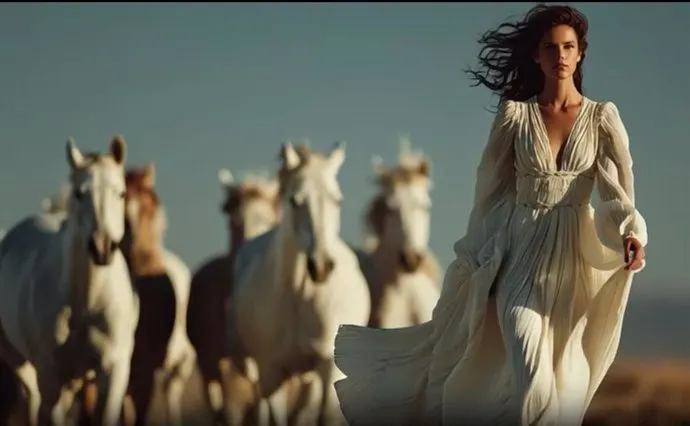
On June 18, 2025, Midjourney unveiled its first video generation model, simply named the V1 Video Model. Known for its image-generation capabilities, Midjourney now ventures into animated content, allowing users to create dynamic video clips from still images. This launch marks a significant evolution in their creative toolkit, transforming static visuals into motion sequences through AI.
How It Works Midjourney V1
The Midjourney V1 model operates as an image-to-video system. Users can select any image either one they’ve created within Midjourney or an external upload—and use it as the starting frame. From that image, the system generates four 5-second video clips, each with slightly different motion or perspective. These short videos aim to animate the essence of the input frame, offering variety while staying thematically consistent.
After the initial generation, users can extend any of these video clips in 4-second increments. The maximum total duration is 21 seconds. This iterative generation model provides flexibility, letting users build more complex animations step by step.

Creative Control and Motion Styles
Midjourney offers both automated and manual modes for video generation. In Auto mode, the AI decides how to animate the image usually simulating camera pans or slight object movements. For more precise control, users can opt for Manual mode and include a text prompt to guide the animation’s direction.
Additionally, users can select between two movement intensities. “Low Motion” results in subtle animations with near-static camera angles, while “High Motion” attempts bolder movement effects. However, more dramatic motion can introduce visual artifacts, so results may vary depending on input complexity and style.
Output Quality and Resource Costs
Currently, the video output resolution is limited to 480p (standard definition), running at approximately 24 frames per second. Although not yet high-definition, the relatively low resolution helps ensure faster generation times and manageable processing loads. However, the trade-off is a reduced level of visual detail, which may not suit all use cases.
Creating video content with V1 is considerably more GPU-intensive than image generation. Each video task consumes about eight times the GPU resources of a single image. For subscribers on the Pro or Mega plans, the Relax Mode allows unlimited generations without using fast credits, making it more economical for heavy use.
Toward a 3D and Interactive Future
Midjourney has positioned this release as the first step in a broader vision. According to its team, the long-term goal is to support open-world simulations and interactive experiences in real-time. This suggests the company is exploring not only animated content, but potentially real-time 3D rendering, storytelling engines, and game-like environments powered by AI.
Midjourney’s V1 video model introduces a new dimension to AI creativity, bridging the gap between static images and animated storytelling. Although currently limited in duration and resolution, the system is intuitive, flexible, and ripe with creative potential. For creators, marketers, and visual storytellers, this tool represents an opportunity to enhance content strategies with motion and narrative.
If you’re looking to go beyond experimentation and harness tools like Midjourney V1 in real-world campaigns, the AI-Powered Content Creation for Brands and Products course is a perfect next step. It teaches how to turn ordinary product photos into high-performing content—now including animated formats that drive engagement and sales. With AI rapidly reshaping how brands connect with audiences, mastering these tools is no longer optional; it’s the creative edge that defines tomorrow’s leaders.

Deja un comentario